
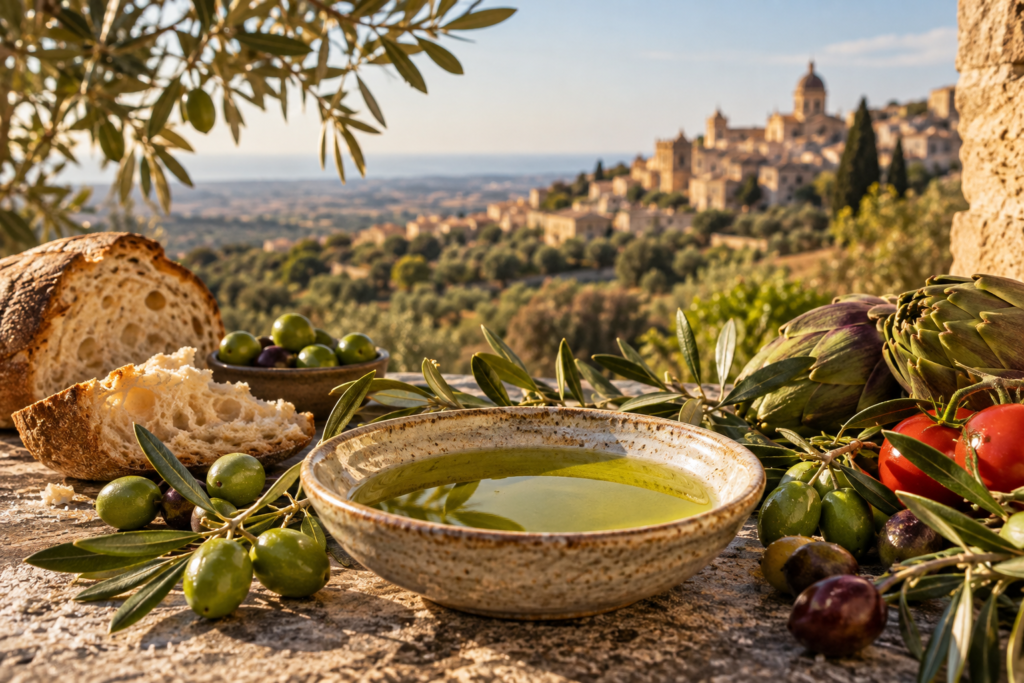
Sicilian extra virgin olive oil can be much more than a kitchen staple.
At its best, it reflects olive variety, harvest, landscape and careful extraction — with flavours that may recall tomato, cut grass, artichoke, herbs and fresh fruit.
For international consumers, however, choosing a serious Italian EVOO is not always easy.
What does extra virgin really mean?
How can you recognize quality?
And what makes an oil from the countryside and valleys around Noto different from a generic bottle labelled simply “Italian olive oil”?
This guide offers a practical introduction to Sicilian EVOO, with Aurìa, DOMINA’s organic extra virgin olive oil from Noto, as a concrete example.
What Is Extra Virgin Olive Oil?
“Extra virgin” is a regulated category, not simply a marketing term.
Under European Union standards, extra virgin olive oil must meet defined chemical and sensory requirements, including a free acidity not exceeding 0.8%. (Gazzetta Ufficiale)
Virgin olive oils are obtained from olives through mechanical or physical processes rather than chemical refining.
In practical terms, quality begins with sound olives, careful harvesting, extraction and good storage.
Why Sicilian Olive Oil Is Worth Discovering
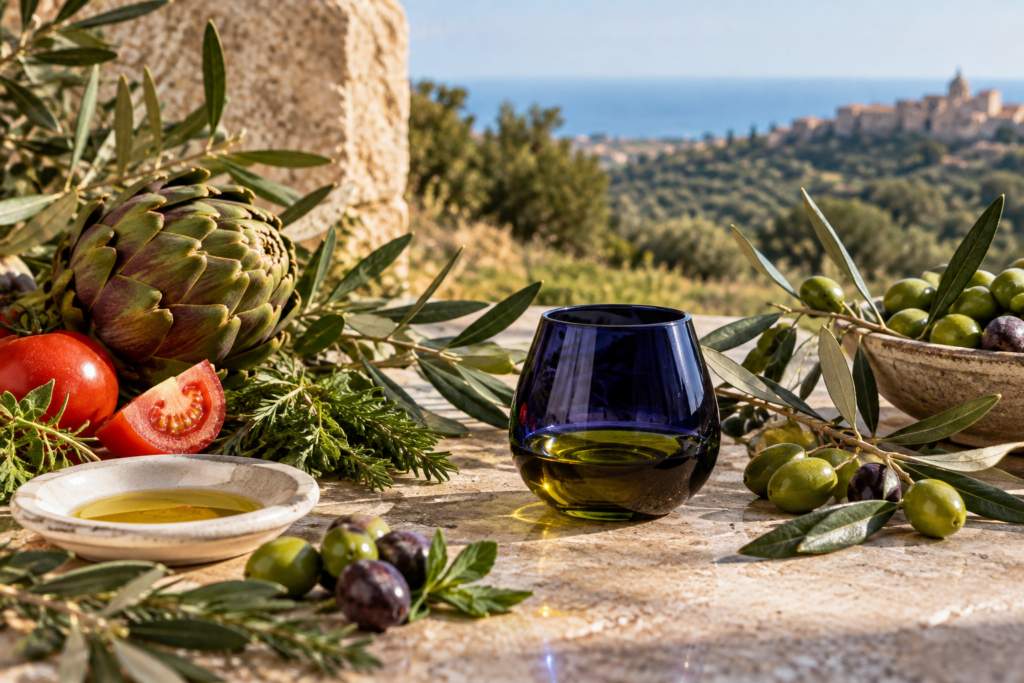
There is no single style of Sicilian olive oil.
Different cultivars and different areas of the island can produce oils with very different personalities.
Some are delicate.
Others are more bitter, green or peppery.
Around southeastern Sicily, including the wider Val di Noto and the olive-growing countryside around Noto, varieties such as Moresca are part of a long agricultural tradition. Local sources also document Moresca as an olive variety associated with the Noto, Pachino and Rosolini area. (Wikipedia)
This diversity is exactly why it is better to ask:
- where does the oil come from?
- which olive varieties are used?
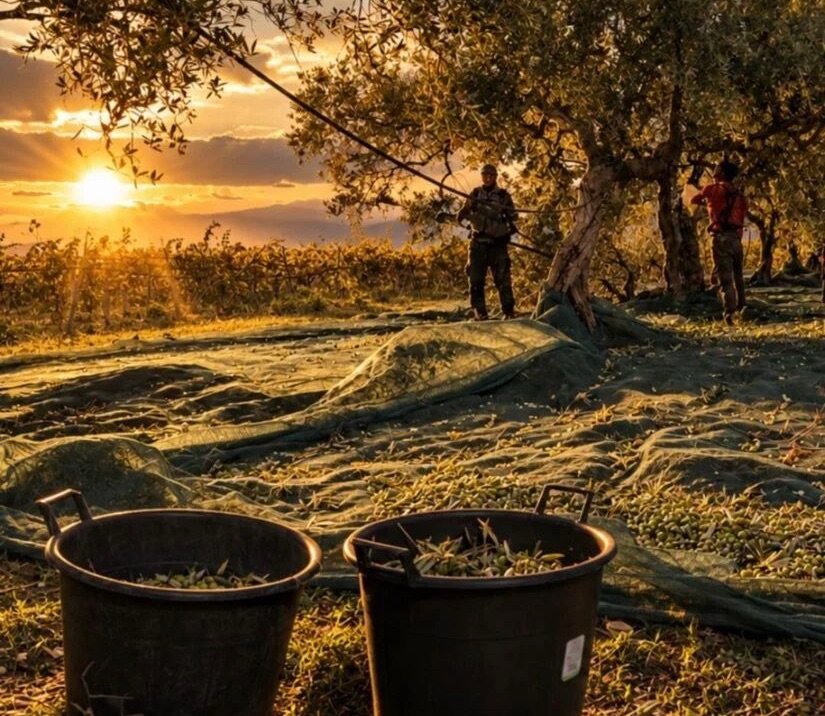
- how was it harvested?
- how was it extracted?
- what does it actually taste like?
How to Recognize a Good EVOO
A premium-looking bottle is not enough.
Look for specific information.
Useful details include:
- origin;
- olive varieties;
- harvest period;
- extraction method;
- certification;
- tasting profile.
Do not judge quality by colour alone.
Green oil can look beautiful, but colour is not a reliable quality score.
Instead, smell and taste it.
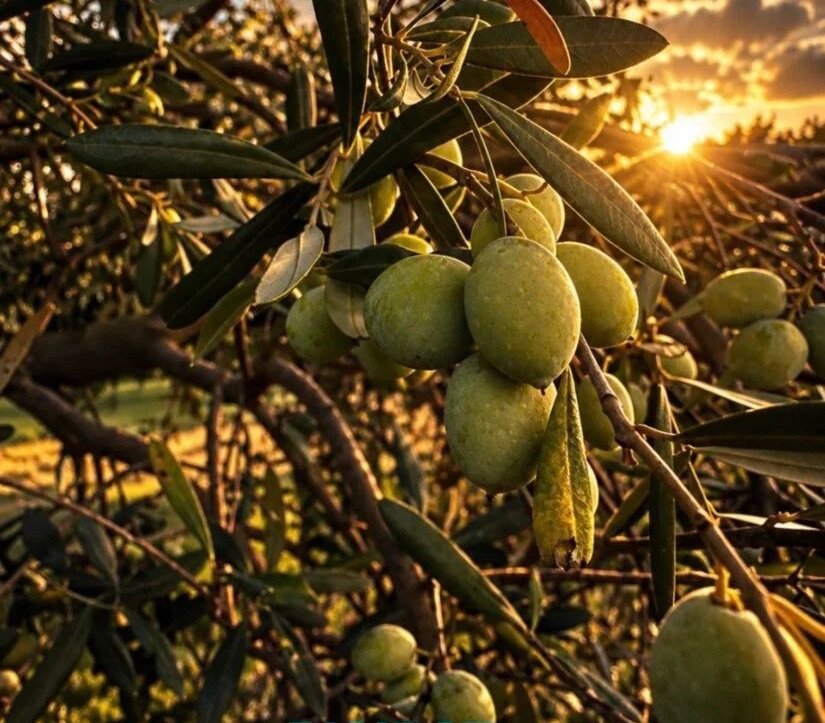
A good EVOO may show aromas of fresh olives, grass, tomato, herbs or artichoke.
Bitterness and a peppery sensation can also be positive characteristics when they are balanced.
How to Taste Olive Oil
Pour a small amount into a clean glass.
Warm it gently with your hand.
Smell first.
Then take a small sip and notice:
- fruitiness;
- bitterness;
- pungency;
- balance.
You do not need to invent complicated tasting notes.
Simply ask whether the oil feels fresh, clean and expressive.
Comparing two oils side by side is one of the easiest ways to understand how different they can be.
How to Store Extra Virgin Olive Oil
Protect olive oil from:
light, heat and oxygen.
Keep the bottle away from direct sunlight and strong heat sources.
Close it properly after use.
And once opened, use it rather than keeping it indefinitely.
Unlike wines designed for long ageing, EVOO is generally appreciated for freshness.
What Foods Work Well with Sicilian EVOO?
A good extra virgin olive oil should be used where you can actually taste it.
Excellent contexts include:
- bread;
- fish;
- legumes;
- salads;
- vegetables;
- simple pasta dishes;
- raw or lightly cooked ingredients.
The question is not simply:
“What can I put olive oil on?”
A more useful question is:
“Which olive oil improves this dish?”
That is where olive oil becomes part of the culinary experience.
Aurìa: Organic Extra Virgin Olive Oil from Noto
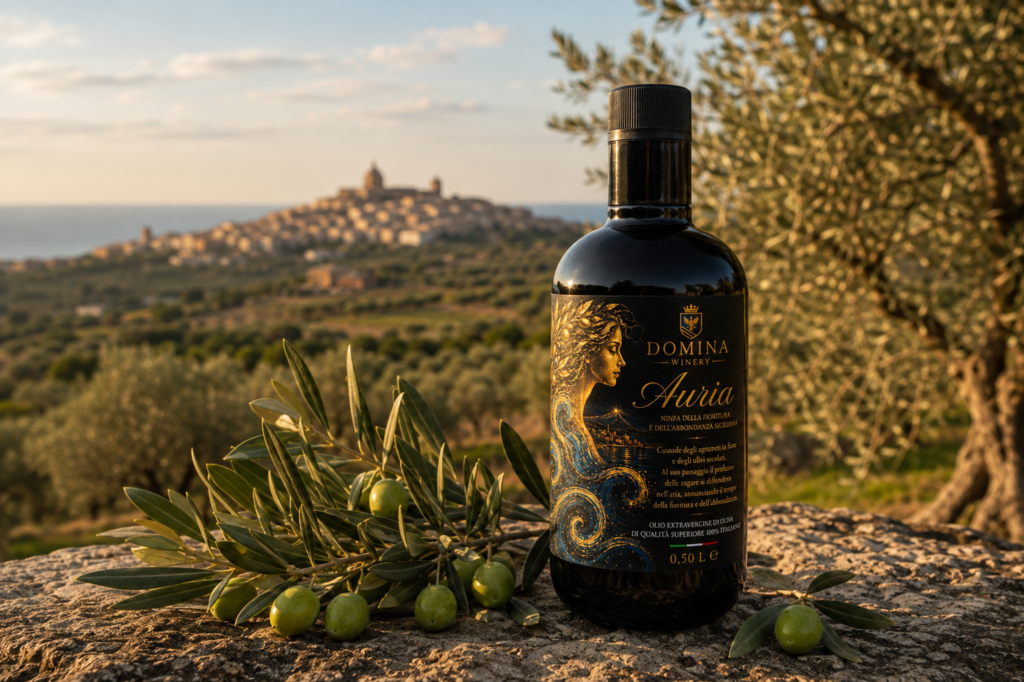
Aurìa is a concrete example of the relationship between Sicilian territory, olive varieties and sensory character.
It comes from the territory of Noto, in southeastern Sicily, within the wider landscape traditionally associated with the Val di Noto.
DOMINA’s technical documentation places the olive groves between 400 and 500 metres above sea level.
The blend is:
80% Moresca
20% Nocellara del Belice
The olives are harvested manually between 10 September and 30 October.
Extraction is carried out cold through an integral continuous two-phase system.
These details matter because they turn a generic concept such as “Italian olive oil” into a specific product with a defined identity.
What Does Aurìa Taste Like?
Aurìa has a documented medium-to-intense fruity profile.
Its aromas recall:
- tomato;
- freshly cut grass;
- artichoke.
On the palate, it combines medium-to-intense pungency with delicate bitterness.
Its technical pairing suggestions include:
- fried or boiled fish;
- legumes;
- salads;
- raw meats.
This makes Aurìa particularly useful as an example of how extra virgin olive oil can be understood through aroma, texture and balance.
Moresca and Nocellara del Belice
Aurìa is built primarily around Moresca, which represents 80% of the blend.
For wine lovers, the easiest comparison is conceptual rather than technical.
Just as knowing Nebbiolo or Sangiovese helps us understand Italian wine, knowing olive cultivars helps us understand olive oil.
The variety is not the whole story.
But it is an important part of it.
Territory, harvest and extraction complete the picture.
Organic Certification
Aurìa is documented as an organic extra virgin olive oil.
DOMINA’s technical documentation reports CCPB certification, code DD92.
For international buyers, this kind of information matters.
Premium positioning becomes more credible when the story is supported by verifiable facts.
From Noto to London: Aurìa Silver Award 2026
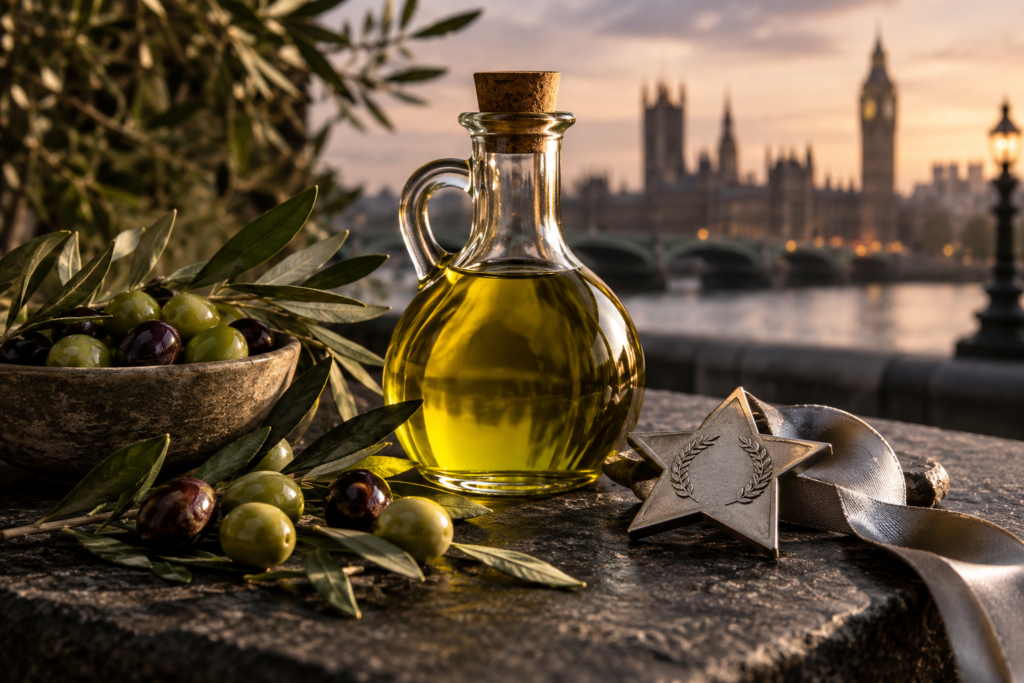
In 2026, Aurìa received a Silver Quality Award at the London International Olive Oil Competitions.
For an oil rooted in the countryside of Noto, the recognition creates an interesting connection between a very local agricultural identity and an international audience.
The award should not replace tasting or technical information.
But it does provide an external recognition of the oil’s quality journey.
DOMINA also links to the official LIOOC 2026 product recognition page for Aurìa.
official LIOOC 2026 recognition for Aurìa
For international consumers encountering the oil for the first time, this offers another independent point of reference.
Buying Sicilian Olive Oil Abroad
If you are buying Italian EVOO in the United States, United Kingdom or another international market, look for specificity.
A useful label or product page should ideally help you understand:
- where the oil comes from;
- which olives are used;
- how it is processed;
- what it tastes like;
- how it should be stored;
- how it can be used.
Be cautious when the entire story is limited to vague words such as premium, traditional or Mediterranean.
The better question is:
Where in Italy? Which olives? What kind of oil?
Olive Oil and Wine: A Shared Curiosity
Wine and olive oil are technically very different products.
But both become more interesting when we stop treating them as generic commodities.
With wine, we ask about grape variety and territory.
With olive oil, we can ask about cultivar, harvest and extraction.
Both can become a way of discovering Italy through place.
That is why extra virgin olive oil fits naturally within DOMINA’s wider exploration of Italian excellence.
Selected International Collaborations
DOMINA works through selection and curation, not mass-market positioning.
For this reason, selected collaborations may be relevant for:
- restaurants;
- wine bars;
- hotels;
- premium hospitality;
- gourmet retailers;
- specialist distributors;
- chefs;
- corporate gifting;
- tastings and culinary events.
The objective is not simply to place another bottle on a shelf.
It is to create the right context around the product.
Origin, technical information and experience should remain part of the story.
International projects must naturally be evaluated according to availability, logistics and the regulatory requirements of each market.
Frequently Asked Questions
What makes Sicilian olive oil different?
There is no single Sicilian style. Cultivar, territory, harvest and extraction can all influence aroma, bitterness, pungency and overall character.
Is bitter olive oil bad?
Not necessarily. Bitterness can be a positive characteristic of extra virgin olive oil when balanced with fruitiness and pungency.
Why does good olive oil feel peppery?
That sensation is known as pungency and can be a positive sensory attribute.
Is green olive oil always better?
No. Colour alone should not be used to judge EVOO quality.
Where does Aurìa come from?
Aurìa comes from the territory of Noto in southeastern Sicily, from olive groves documented at approximately 400–500 metres above sea level.
Which olives are used in Aurìa?
Aurìa is made from 80% Moresca and 20% Nocellara del Belice.
Has Aurìa received an international award?
Yes. Aurìa received a Silver Quality Award at the London International Olive Oil Competitions 2026.
The Essential Idea
A serious Sicilian extra virgin olive oil is not simply “Italian olive oil”.
It has an origin.
A cultivar.
A harvest.
A method.
A flavour.
In Aurìa, those elements begin in the olive-growing countryside and valleys around Noto, where Moresca and Nocellara del Belice come together in an organic EVOO with a defined sensory profile.
From Noto to London, the story is specific.
And specificity is what makes Italian excellence worth discovering.